
 English
  简体中文
简体中文  Español
  Русский
  Türkçe
  Tiếng Việt
  Українська
  Български
  Suomi
Suomi  Ελληνικά
  Čeština
  اردو
اردو  Svenska
  עִבְרִית
  हिन्दी
  Français
  Հայերեն
  Italiano
  日本語
日本語  Română
  Polski
  Српски језик
  Latviešu valoda
  Deutsch (Sie)
  Português do Brasil
  한국어
한국어 
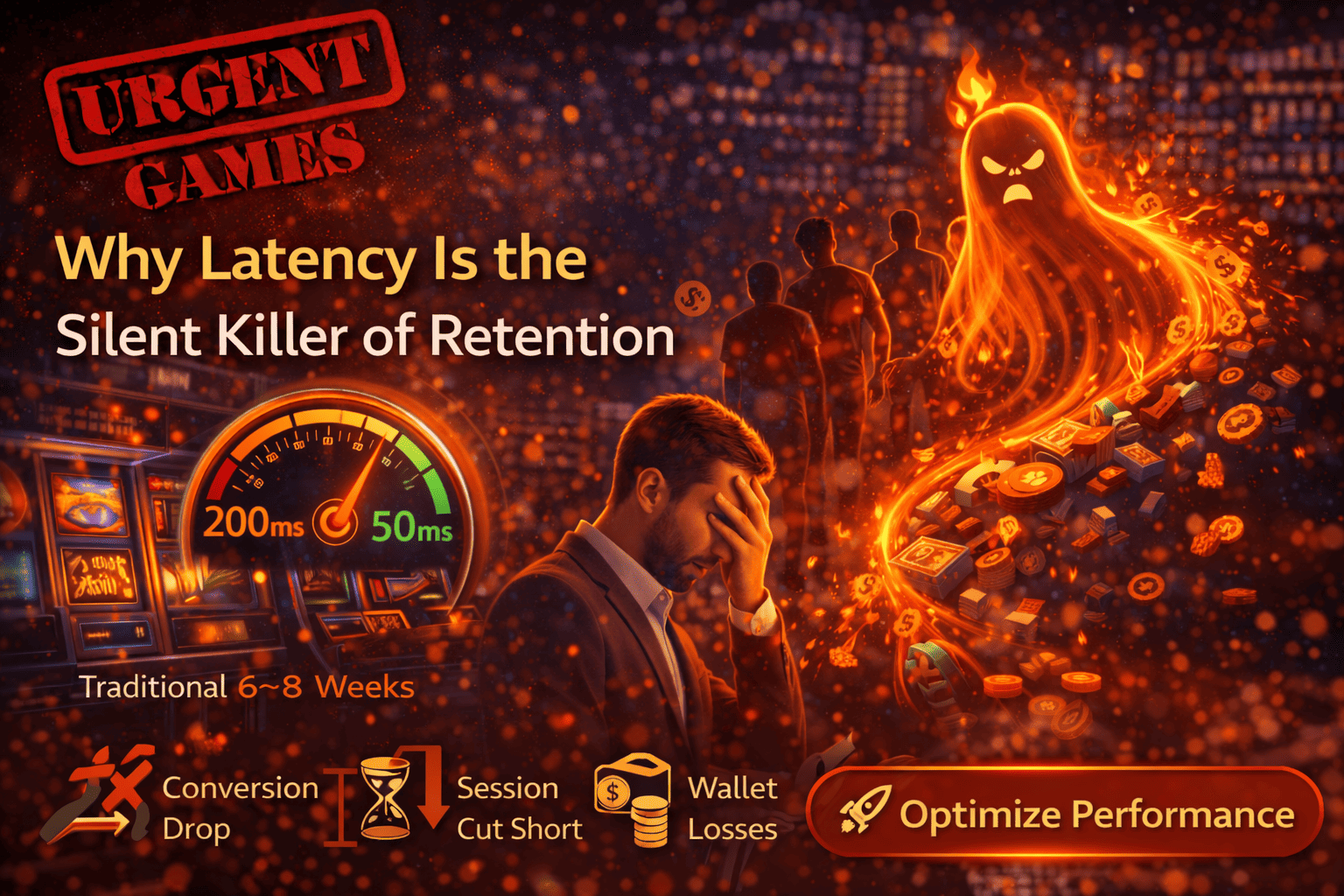
iGaming API latency is one of the most underestimated drivers of churn in online casino platforms.
In most cases, players don’t complain about performance issues.
A slow-loading lobby.
A delayed spin result.
A balance that updates one second too late.
They don’t investigate the cause. They switch platforms.
In competitive markets with low switching costs, performance isn’t technical — it’s commercial.
What Latency Really Means for Casino Platforms

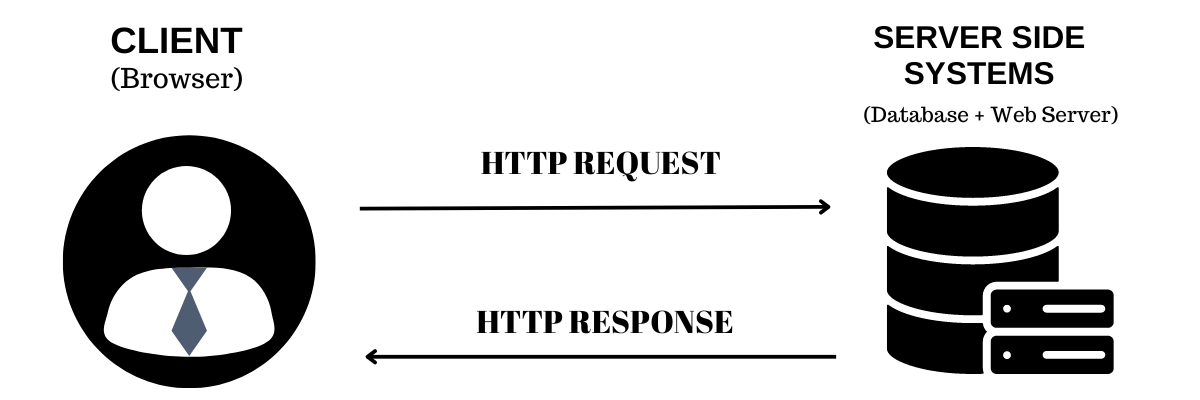

Latency is the delay between player action and system response.
In casino environments, this includes:
Lobby load time
Game launch speed
Bet confirmation
Win settlement
Wallet balance refresh
Even small delays — repeated dozens of times per session — accumulate into friction.
According to performance research shared by Google, sub-second delays measurably impact user behavior and conversion rates.
Speed shapes perception.
Why Speed Directly Impacts Conversion
The first impression happens before the first wager.
If authentication or game loading feels slow, confidence drops.
This affects:
First-time depositor conversion
Game launch completion
Brand trust
Infrastructure best practices from Amazon Web Services highlight that API response time directly influences transactional reliability — a key factor in financial applications like online gaming.
Fast platforms feel stable.
Slow ones feel uncertain.
The Rhythm of Play — And How Delays Break It


Casino gameplay depends on rhythm:
Spin → Result → Spin → Result.
When response time interrupts that loop:
Momentum drops
Excitement flattens
Sessions shorten
Players rarely articulate this friction — but it reduces:
Revenue per visit
Cross-sell exposure
Promotional engagement
Milliseconds compound into measurable revenue impact.
Wallet Performance and Trust Risk
Balance updates are psychological anchors.
When transactions lag:
Players question accuracy
Support tickets increase
Trust weakens
In regulated markets, settlement timing also affects compliance standards defined by authorities such as the Malta Gaming Authority.
Unified wallet systems reduce reconciliation delays and stabilize transactional flow.
Live Casino and Real-Time Sensitivity



In live and multiplayer formats, performance issues become more visible.
Delayed responses disrupt:
Betting windows
Dealer interaction flow
Fairness perception
Infrastructure providers such as Cloudflare emphasize the importance of edge distribution to reduce real-time latency in interactive applications.
In these formats, performance is part of the product itself.
Where Performance Bottlenecks Originate
Common causes include:
Multiple third-party integrations
Excessive API routing layers
Poor retry logic
Geographically distant servers
Fragmented wallet systems
Each additional hop adds delay.
Unified integration models reduce unnecessary system communication.
Fewer hops mean faster response times.
Measuring What Actually Affects Retention
Operators focused on long-term value monitor:
Average response time
Transaction settlement speed
Game launch duration
Time to first wager
Without measurement, performance degradation hides behind surface-level KPIs.
For further reading on system observability and monitoring strategy, resources from Datadog provide useful benchmarks for API-driven systems.
Unified Architecture as a Competitive Advantage
Platforms designed around centralized APIs reduce:
Redundant transaction calls
Wallet inconsistencies
Integration conflicts
This creates predictable response times across providers and verticals.
Consistency builds trust.
For deeper insight into unified models, see our internal guide:
“The Case for Single-API Casino Integration” (/single-api-casino-integration)
Urgent Games: Performance Without Friction
Urgent Games infrastructure is built to optimize transactional efficiency across thousands of games and multiple providers.
Operators benefit from:
Streamlined integration layers
Stable wallet reconciliation
Consistent cross-provider performance
Scalable architecture for peak demand
Performance becomes an operational asset — not a retention risk.
Conclusion: Performance Is Revenue Protection
Players rarely praise speed.
But they abandon slowness.
iGaming API latency affects:
Conversion rates
Session depth
Player confidence
Long-term retention
In competitive markets, responsiveness protects revenue.
When performance is optimized, it disappears into the experience.