
 English
  简体中文
简体中文  Español
  Русский
  Türkçe
  Tiếng Việt
  Українська
  Български
  Suomi
Suomi  Ελληνικά
  Čeština
  اردو
اردو  Svenska
  עִבְרִית
  हिन्दी
  Français
  Հայերեն
  Italiano
  日本語
日本語  Română
  Polski
  Српски језик
  Latviešu valoda
  Deutsch (Sie)
  Português do Brasil
  한국어
한국어 

Introduction: Volume Alone Doesn’t Create Growth
Casino game curation has become a defining advantage in modern iGaming.
In today’s aggregation-driven market, scale is easy:
5,000+ games
7,000+ games
10,000+ games
Operators proudly promote catalog size in investor decks and marketing pages.
But scale alone doesn’t drive performance.
Without structure, even the largest portfolio can feel chaotic.
The real differentiator isn’t how many games you offer — it’s how intelligently you organize and present them.
The Illusion of Scale
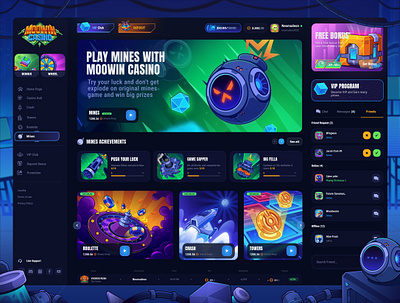
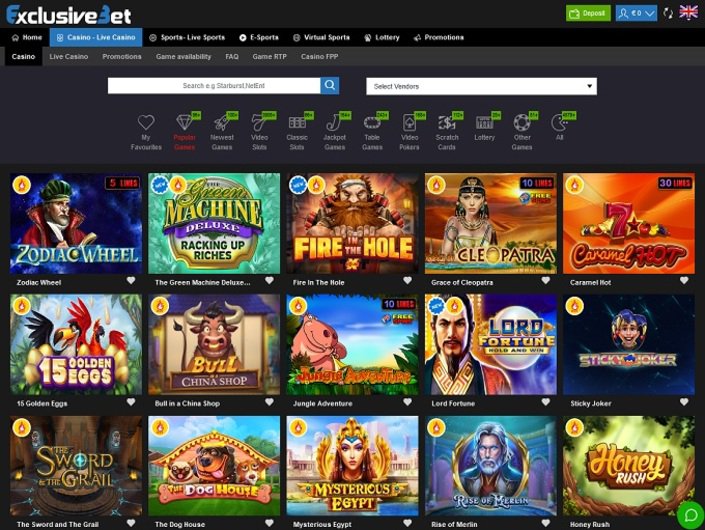

A large catalog looks impressive on paper.
But players don’t experience numbers.
They experience:
What’s visible in the lobby
What’s recommended
What feels relevant
What loads quickly
What matches their risk tolerance
An unstructured 7,000-game lobby feels overwhelming.
A thoughtfully organized 5,000-game platform feels intuitive.
Scale without structure leads to decision fatigue.
Too Much Choice Reduces Engagement
When players open a lobby and see endless rows of similar slots:
Discovery becomes effort
Engagement drops
Behavioral research has repeatedly shown that excessive choice reduces satisfaction.
Without guided discovery, players default to familiar titles.
New releases — even high performers — remain buried.
This is exactly where casino game curation creates measurable impact.
Volume Strategy vs Experience Strategy
Volume-First Approach
Add as many providers as possible
Promote total game count
Rely on search filters
Let players navigate independently
Experience-Led Approach
Segment content by player behavior
Highlight volatility tiers
Contextually promote new releases
Personalize recommendations
Rotate featured titles dynamically
One increases inventory.
The other increases engagement.
Why Smart Catalog Structuring Improves Retention
Retention is not built on availability.
It’s built on relevance.
A structured catalog improves performance by:
Reducing content fatigue
Surfacing strong performers faster
Encouraging cross-category exploration
Aligning risk profiles with player preference
Casino game curation supports retention because it reduces friction between intent and action.
Large portfolios create optionality.
Structure creates loyalty.
Data Turns Content Into Intelligence

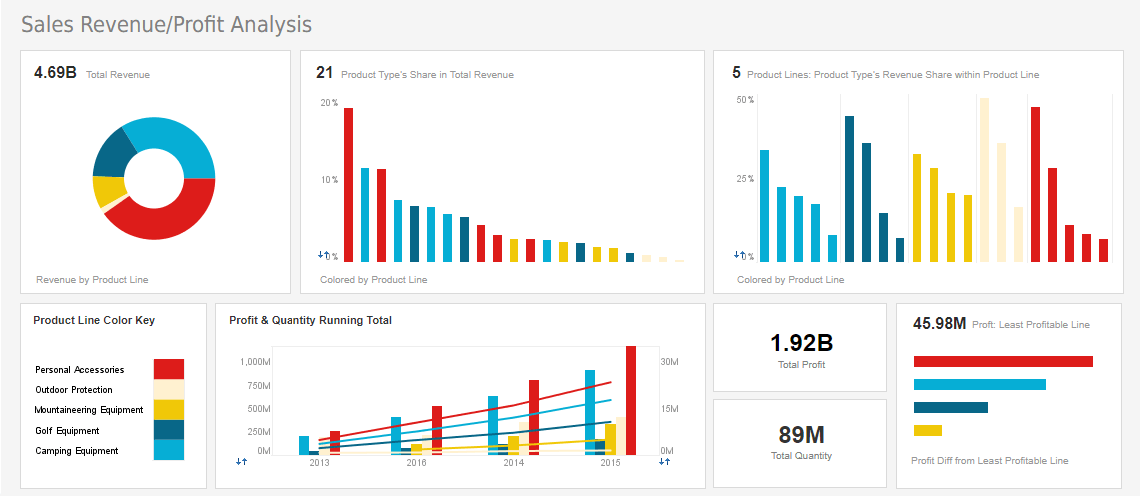

Modern aggregation platforms generate extensive behavioral data.
Operators should analyze:
Theme affinity
Session duration by category
Bet size distribution
Volatility tolerance
Migration patterns between verticals
Data transforms a static lobby into an adaptive environment.
This is where casino game curation evolves from manual sorting into dynamic personalization.
The Operational Risk of Unmanaged Expansion
Growth without structure introduces complexity:
Inconsistent metadata
Duplicate themes flooding the lobby
Weak performers occupying prime positions
Slower load times from fragmented integrations
Without standardized architecture, even strong content becomes diluted.
Casino game curation depends on clean backend normalization.
Personalization Is the Competitive Edge
Leading operators no longer show identical lobbies to every player.
They dynamically adjust:
Featured titles
New release visibility
Risk-tier positioning
Promotional exposure
Personalization increases:
Session depth
Cross-vertical movement
Player satisfaction
Long-term value
Scale creates opportunity.
Intelligent organization unlocks performance.
Marketing Precision Improves With Structured Content
When catalog data is properly tagged and segmented, marketing becomes significantly more precise.
Operators can target:
High-volatility players
Live casino enthusiasts
Crash game adopters
Thematic segments
Casino game curation strengthens both product and campaign performance.
Without segmentation, campaigns become generic.
With structured content layers, they become strategic.
When “More Games” Backfires
Unmanaged expansion can:
Dilute brand identity
Increase bounce rates
Confuse players
Reduce session time
Volume should enhance clarity — not overwhelm it.
Inventory alone is not a strategy.
Presentation is.
Building the Technical Foundation
Effective aggregation requires:
Standardized metadata
Centralized reporting
Consistent wallet logic
Stable performance across providers
Without unified infrastructure, scalable personalization becomes difficult.
Casino game curation works best when supported by normalized architecture.
Conclusion: Scale Needs Structure
In modern iGaming markets, differentiation no longer comes from numbers alone.
A large catalog provides potential.
Strategic organization creates measurable growth.
Operators who combine aggregation depth with intelligent presentation see:
Stronger retention
More sustainable long-term results
More games only work when they’re structured with intention.